Key Takeaways
- Strength training is exercise that uses resistance to develop muscle strength and physical fitness.
- Regular training increases muscle strength, supports everyday movement and forms part of maintaining your physique.
- Strength training comes in many forms, from body weight, dumbbells, barbells and machines to sport-specific training.
- The format and difficulty can be adapted for beginners, regular exercisers and athletes alike.
- Learning correct technique and planning a program that suits your body helps you build strength effectively and reduces the risk of injury.
For anyone looking to get stronger, strength training is a form of exercise that uses resistance to train the muscles. You can use your own body weight, dumbbells, barbells or machines, depending on your goals and readiness. Training consistently develops strength and muscle mass, and supports your physique and fitness over the long term. Many people assume strength training and weight training are two different things, but the terms are closely related. Let’s explore the principles, the benefits and the approach that suits you best.
What Is Strength Training?
Strength training is exercise that uses resistance to develop muscle strength and the ability to generate force. Resistance can come from body weight, dumbbells, barbells, resistance bands or machines, depending on the training style and equipment used.
The key is not lifting as much as possible or pushing to the limit every session. It is choosing the right resistance, maintaining correct form and gradually increasing the challenge as your body progresses. Strength training is therefore ideal for anyone who wants to get stronger, build muscle, improve fitness or prepare for sport, and the program can be tailored to each person’s goals and experience.
What Are the Benefits of Strength Training?
Regular strength training offers more than muscle and a better physique. It also improves how you move and exert yourself in daily life.
1. Increases muscle strength
Resistance training helps muscles adapt and become better at producing force. With consistent, well-planned training, everyday tasks such as lifting, standing up from a seat or any physically demanding activity become easier.
2. Builds muscle mass and supports your physique
Strength training is one of the most effective ways to build or maintain muscle mass when combined with a balanced diet and enough rest. It is a strong choice for anyone who wants to gain muscle or improve body composition in line with their goals.
That said, fat loss and changes in body shape don’t depend on training alone. Diet, overall physical activity and individual factors all play a part.
3. Improves fitness and everyday movement
Muscle strength supports physically demanding tasks as well as movements that require body control. The right training prepares you for everyday activities and other forms of exercise.
4. Helps strengthen bones
Appropriate resistance and weight-bearing exercise can form part of looking after bone health. Results depend on the type of training, consistency, age and individual health.
Anyone with an underlying health condition or mobility limitation should choose a suitable program and seek professional advice before starting.
Types of Strength Training and Who They Suit
Strength training comes in many forms, chosen according to the equipment available, your fitness goals and your experience. Some are ideal for getting started at home, while others require specific equipment or more technical skill.
Training Type | Training Style | Who It Suits |
Bodyweight Training | Uses body weight as resistance, e.g. squats, push-ups and lunges. | Beginners or those who want to train with minimal equipment, as well as experienced exercisers who want to build strength by adjusting the difficulty of each exercise. |
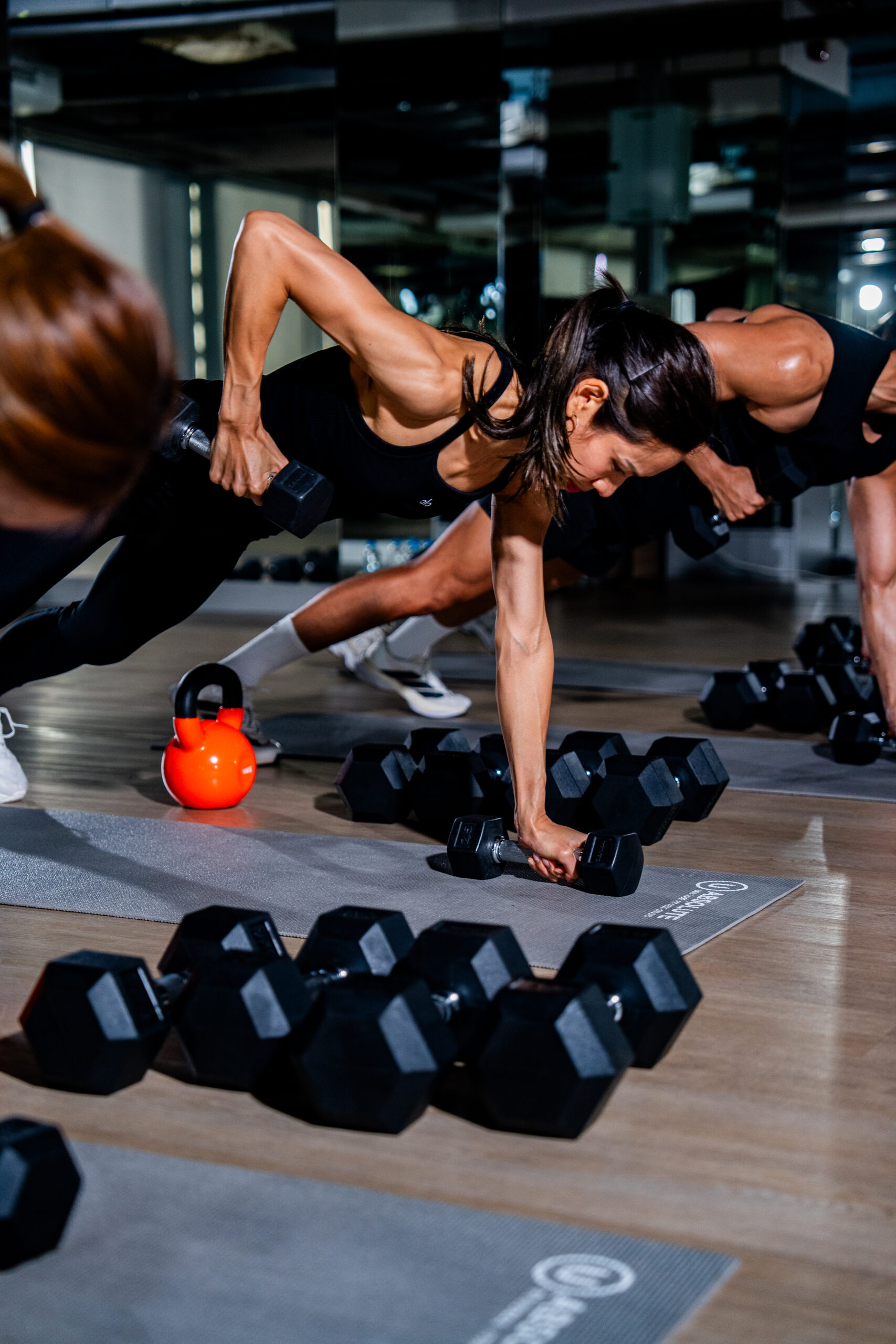
Free Weight Training | Uses equipment that moves freely, such as dumbbells, barbells and kettlebells. | Those who want to build strength or muscle mass, with weights and exercises adjusted to their ability. |
Resistance Machine Training | Uses machines designed to train specific muscles, with weight and seat position adjusted to the user. | Beginners or those who want to target specific muscle groups. Learning how to set up and use each machine correctly is essential. |
Resistance Band Training | Uses elastic bands to create resistance during exercises. | Those who want more options for training at home or while travelling, with resistance chosen to suit each exercise. |
Functional Strength Training | Focuses on movement patterns used in daily life, such as squatting, pushing, pulling and lifting. | Those who want to build strength alongside body control and the movements used in everyday life. |
Sport-Specific Strength Training | Designed around the demands of a sport, e.g. powerlifting (squat, bench press and deadlift) or Olympic weightlifting (snatch and clean & jerk). | Those who want to build strength and skills for a specific sport, including athletes preparing for training or competition. |
These formats don’t have to be practiced separately. A strength training program can combine several methods and types of equipment depending on your goals. For example, you might use machines alongside dumbbells, or pair bodyweight exercises with weighted training.
Beginners should focus on learning correct form and movement control before increasing weight or difficulty. More experienced exercisers can make their program more challenging as they progress.
How to Get Started with Strength Training
If you are new to exercise, there is no need to start with heavy weights or a complex program. Building the right foundation makes technique easier to learn and helps you train consistently over the long term.
- Set clear goals: whether that is getting stronger, building muscle, toning up or improving sports performance, as your goal shapes the exercises you choose and how you plan your program.
- Choose the right resistance: start at a level where you can control your form throughout. There is no need to lift heavy from day one.
- Learn correct technique: practice posture, breathing and movement control. If you are unsure, ask a trainer for guidance.
- Progress gradually: once you can perform each exercise correctly and your body has adapted, increase the weight, reps or challenge of your program.
- Prioritize recovery: muscles need time to recover. Plan your schedule around your fitness level and avoid training the same muscle group hard repeatedly without adequate rest.
- Plan a suitable schedule: beginners may start with around two sessions a week, giving each muscle group enough time to recover, then adjust frequency and volume to suit their readiness and goals.
If you have an injury, an underlying health condition or other health limitations, consult a specialist to choose the right approach before starting a program.
Where Should You Do Strength Training?
Strength training can be done in many places, depending on the equipment you have, convenience and the level of guidance you want, whether that is training on your own at home or in the gym, or joining an instructor-led class.
- At home: ideal for those who want flexibility with their time or find it hard to get to a gym. Start with body weight or basic equipment such as dumbbells and resistance bands, choosing exercises that suit your space and ability.
- At the gym or fitness center: ideal for those who want access to a wide range of equipment such as dumbbells, barbells and weight machines. You can follow your own program or ask a trainer for advice, depending on what each venue offers.
- With a personal trainer: ideal for those who want one-to-one guidance, with a program built around your goals, experience and physical readiness, such as the Absolute Personal service at Absolute Boutique Fitness.
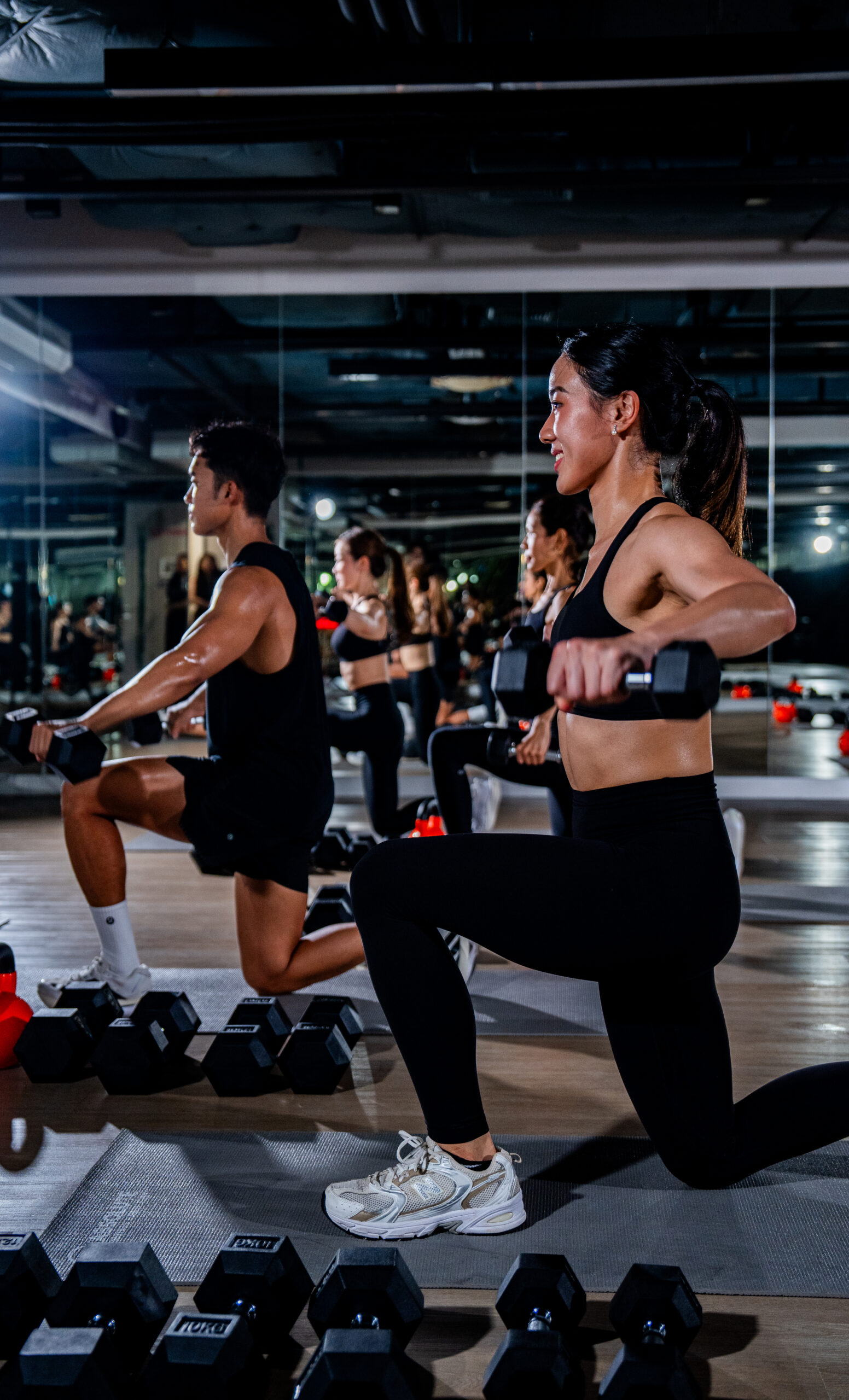
- In a studio strength class: ideal for those who enjoy training on a class schedule, led by an instructor and alongside others, such as Absolute Strength at Absolute Boutique Fitness, which offers Upper Body, Lower Body, Total Body and Strength + Conditioning formats.
Build Muscle and Get Strong with Strength Training at Absolute Boutique Fitness
For those who want to build muscle strength under expert guidance, Absolute Boutique Fitness offers Absolute Strength classes, available exclusively at the Gaysorn Amarin branch. Each class combines compound lifts, controlled tempo and accessory exercises to develop overall strength.
Choose from several class formats, each with its own focus:
- Upper Body: builds upper-body strength through pushing and pulling movements.
- Lower Body: builds lower-body strength through movements such as squats and hip hinges.
- Total Body: trains the whole body by combining compound lifts with accessory exercises.
- Strength + Conditioning: combines strength training with conditioning segments that improve fitness and endurance.
Interested in trying strength training? Ask about our special-price trial class packages at absoluteboutiquefitness.co/promotion-campaign/, call 02-252-4400 or contact us via LINE Official: @absolutestudio. You can also find and book available classes through ClassPass; please check the branch, class schedule and booking conditions before you go. Bring a friend and book your class today.
FAQ
Q1: What is the difference between strength training and weight training?
A: Strength training refers to training that develops muscle strength, while weight training uses weights as resistance and can be one part of strength training. The two terms are closely related, and the outcome depends on how the program and training methods are designed. Weight training is a part of strength training.
Q2: How heavy do I need to lift to see results from strength training?
A: You don’t need to start heavy. Choose a resistance that matches your ability and allows you to maintain correct form. As your body adapts and your technique improves, gradually increase the challenge in line with your goals and experience.
Q3: Will strength training really make women bulky?
A: Strength training does not suddenly make every woman bulky. Changes in muscle depend on the program, frequency, diet, genetics and individual factors. Women can tailor their training to their goals, whether that is getting stronger, building muscle or toning up.